
Hip Mobility: The Missing Piece Most People Don’t Notice Until Movement Starts Feeling Off
Most people don’t think much about mobility until something starts feeling tight.
Maybe your hips feel stiff getting out of the car. Maybe squats don’t feel as smooth as they used to. Maybe your lower back constantly feels like it’s picking up the slack during workouts.
That usually doesn’t happen overnight.
A lot of the time, it’s the result of accumulated tension, limited movement patterns, and long periods of sitting without enough intentional mobility work to balance it out. And during the summer especially, people tend to increase activity levels quickly. More walking, running, biking, travel, sports, outdoor workouts. The body starts moving more, but if mobility hasn’t been maintained underneath that activity, tightness starts showing up fast.
Why Hip Mobility Matters More Than People Realize
Your hips sit at the center of almost every major movement your body performs. Walking. Running. Squatting. Lunging. Rotating. Even posture and lower back mechanics are heavily influenced by what the hips are or aren’t doing well. When hip mobility is limited, the body usually compensates somewhere else.
That compensation often shows up as:
lower back tension
knee discomfort
reduced squat depth
poor posture
instability during movement
decreased athletic performance
Good hip mobility allows movement to distribute properly throughout the body instead of forcing one area to absorb stress it was never meant to handle alone.
Mobility Is About More Than Stretching
People often confuse mobility with flexibility, but they are not the same thing. Flexibility is your ability to access a range of motion passively. Mobility is your ability to actively control that range of motion with strength and stability.
That distinction matters.
You don’t just want loose muscles. You want controlled movement. The goal is creating joints that move well while staying stable under load.
That’s why mobility work often includes:
controlled movement patterns
rotational work
stability drills
dynamic stretching
breath and positional awareness
A Mid-Year Body Scan Most People Need
Around this point in the year, it’s worth paying attention to how your body actually feels. Not just how it looks.
Most people can identify areas that feel:
restricted
stiff
uneven
overworked
disconnected during movement
That awareness alone is useful. One of the easiest ways to start identifying those areas is through a simple body scan.
What Is a Body Scan?
A body scan is a way of slowing down long enough to notice where your body may be holding tension or restriction. It’s less about diagnosing problems and more about increasing awareness.
The process is simple: you pause, breathe, and mentally move through the body from head to toe, noticing how each area feels without immediately trying to fix it.
A lot of people are surprised by what they notice once they actually pay attention:
tight hips
stiff ankles
tension through the neck and shoulders
limited rotation
uneven balance from side to side
And once you notice those things, you can start addressing them intentionally instead of training around them.
Mobility Work Should Feel Restorative, Not Punishing
One mistake people make is treating mobility like another intense workout. In reality, good mobility work often feels grounding and controlled.
The focus is usually:
slower movement
breathing
joint control
quality of motion
Done consistently, it can improve:
movement efficiency
recovery
posture
lifting mechanics
overall comfort throughout the day
And for many people, it also helps reconnect them to movements that had gradually started feeling restricted.
Hip Mobility Exercises Worth Including
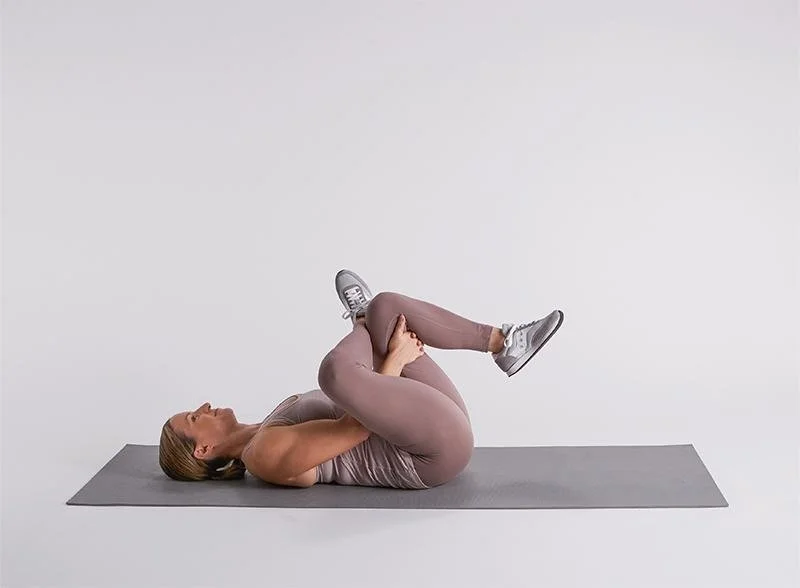
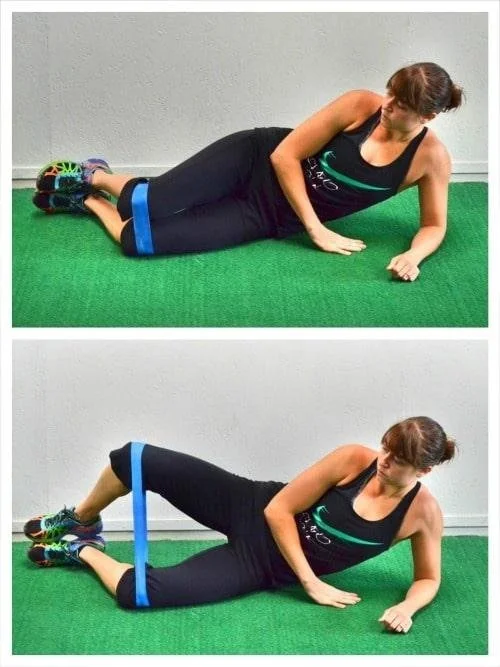
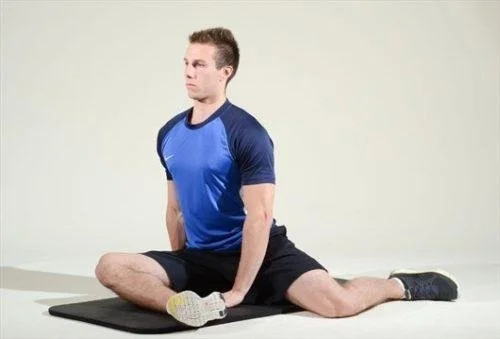
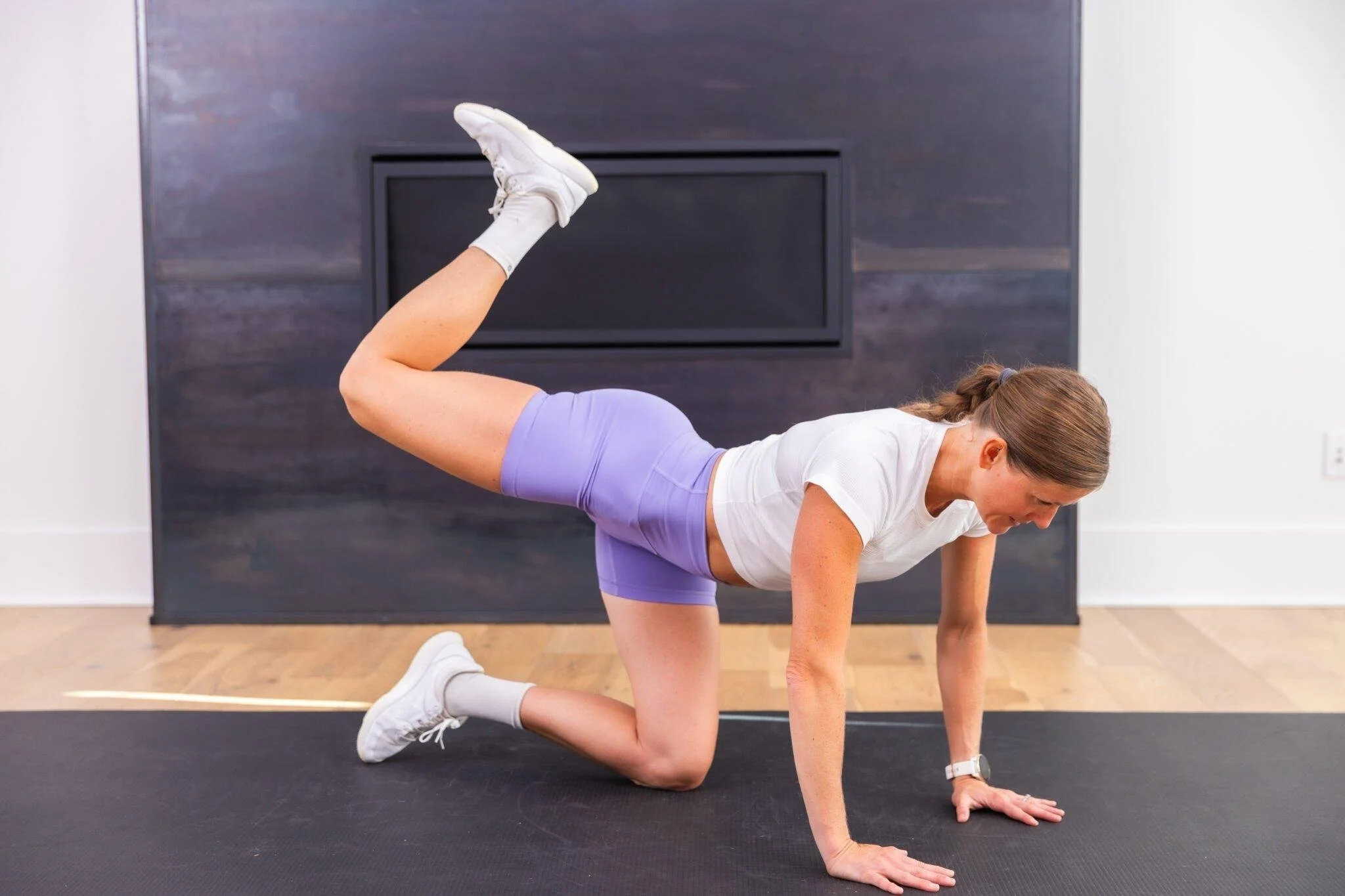
A few movements that consistently help improve hip function include:
Figure Four Glute Stretch
Tabletop Hip Circles
Clamshells
Internal Rotation Drills
Plie Squat Holds
90/90 Hip Openers
The goal with these exercises is not forcing range of motion aggressively.
It’s improving access, control, and comfort gradually over time.
How Long Does It Take to Improve Mobility?
Usually faster than people expect.
With consistency, many people begin noticing changes within a few weeks:
less stiffness
smoother movement
better squat depth
improved posture
reduced tension during workouts
The key is consistency over intensity. A few focused minutes done regularly tends to work better than occasional long mobility sessions followed by nothing.
How We Look at Mobility at Flexx
At FLEXX, mobility work isn’t treated as separate from performance. It supports performance.
The way your joints move affects:
your lifting mechanics
your recovery
your stability
your injury risk
your ability to train effectively long term
Sometimes the issue isn’t strength. It’s access to movement. And once movement quality improves, everything else tends to improve with it.
A lot of people wait until movement feels painful before they start paying attention to mobility. But mobility work is most effective before things reach that point.
The goal isn’t becoming extremely flexible. It’s moving through life and training with less restriction, better control, and more comfort in your body. And for many people, the hips are one of the best places to start.